← Back to all news
Two in three rural mothers report perinatal anxiety or depression, and almost half never seek help, Motherland's first National Report on Rural Motherhood finds.
CANBERRA, Tuesday 27 October 2026: A first-of-its-kind national report is providing an unprecedented insight into the realities of motherhood across rural Australia, revealing significant gaps in mental health support, social connection and access to care - and calling for action to ensure where a mother lives does not determine the support she receives.
National charity Motherland has released ‘Raising Rural’, its inaugural National Report on Rural Motherhood and the findings are significant. More than two-thirds (68%) of respondents reported experiencing perinatal anxiety or depression, with 47% of those women never seeking help. Eighty-one per cent said the postnatal support available to them was inadequate, while 42% said there was no local mothers’ group available in their community. Isolation emerged as the most commonly named challenge, with 70% of respondents identifying it as the hardest part of rural motherhood.
The report captures the experiences of 1,068 rural and remote mothers, alongside insights from almost seven years of Motherland working directly with rural women across the country – listening to their stories, building programs and services around their needs, and creating a national community that has become a trusted voice for rural mothers.
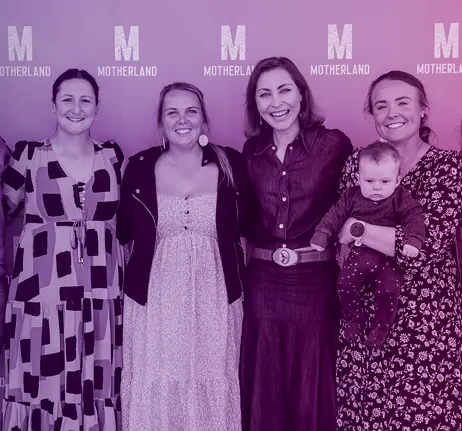
Since launching in 2019 by journalist, rural mum and 2024 Australian of the Year for Tasmania Stephanie Trethewey, Motherland has supported thousands of rural women through its weekly podcast, online rural mothers’ group program, Motherland Connect health platform, Scholarship Fund, events and advocacy. That sustained engagement has given the organisation a unique window into the challenges rural mothers face.
For its National Report, Motherland invited rural mothers across Australia to share their experiences through a survey, asking detailed questions about their wellbeing, mental health, isolation, social connection, access to support, parenting load and personal circumstances.
Its recommendations call for support to be brought closer to rural mothers through outreach, home visiting and telehealth; stronger local services and continuity of care; meaningful opportunities for connection at every stage of motherhood; and action to address the barriers preventing women from accessing support.
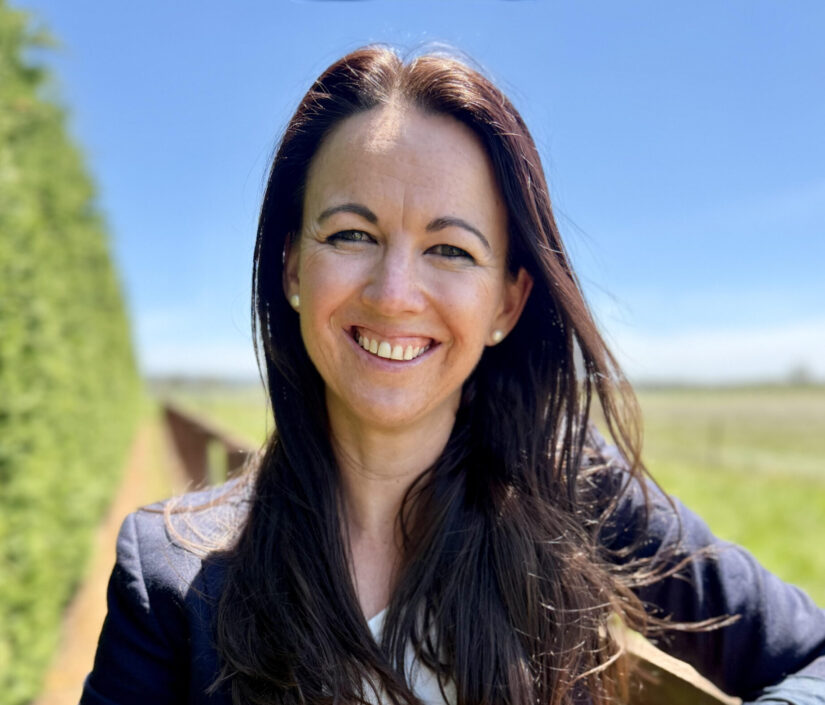
Motherland Founder and CEO Stephanie Trethewey said the findings should be a wake-up call for how Australia supports rural mothers.
“What rural mothers have told us should concern all Australians. They’re doing more, with less, further from help – and too many are struggling with their mental health, isolation and access to support.
“Rural mums are the backbone of our rural communities. They’re raising the next generation, contributing to communities and local economies, and supporting families, farms and businesses that Australia relies on. They’re part of what keeps rural Australia moving. We didn’t ask these women to share some of the most personal parts of their lives just to produce another report. We asked because we want things to change. A postcode should never determine whether a mother can access support, find connection or get help when she needs it,” said Ms Trethewey.
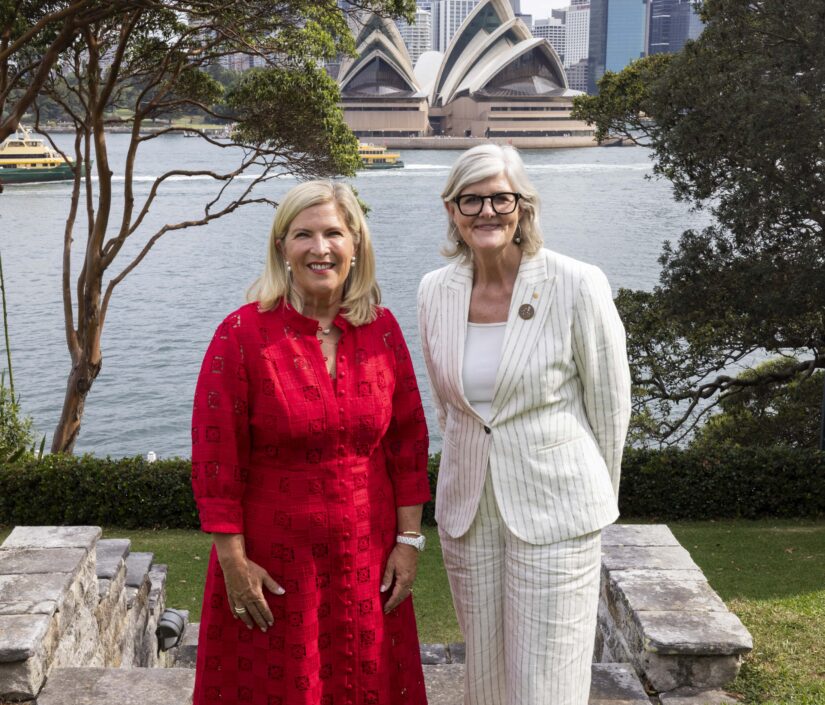
Raising Rural will officially be launched later today at Government House in Canberra alongside Motherland’s Patron, Her Excellency the Honourable Sam Mostyn AC, Governor-General of the Commonwealth of Australia.
This evening’s event will bring together political leaders, health and rural sector organisations, corporate partners and advocates from across Australia to hear directly about the findings and Motherland’s work.
Media:
Jane McAlpine
Head of Marketing & Communications
0410 357 570